
Posted on August 31, 2026 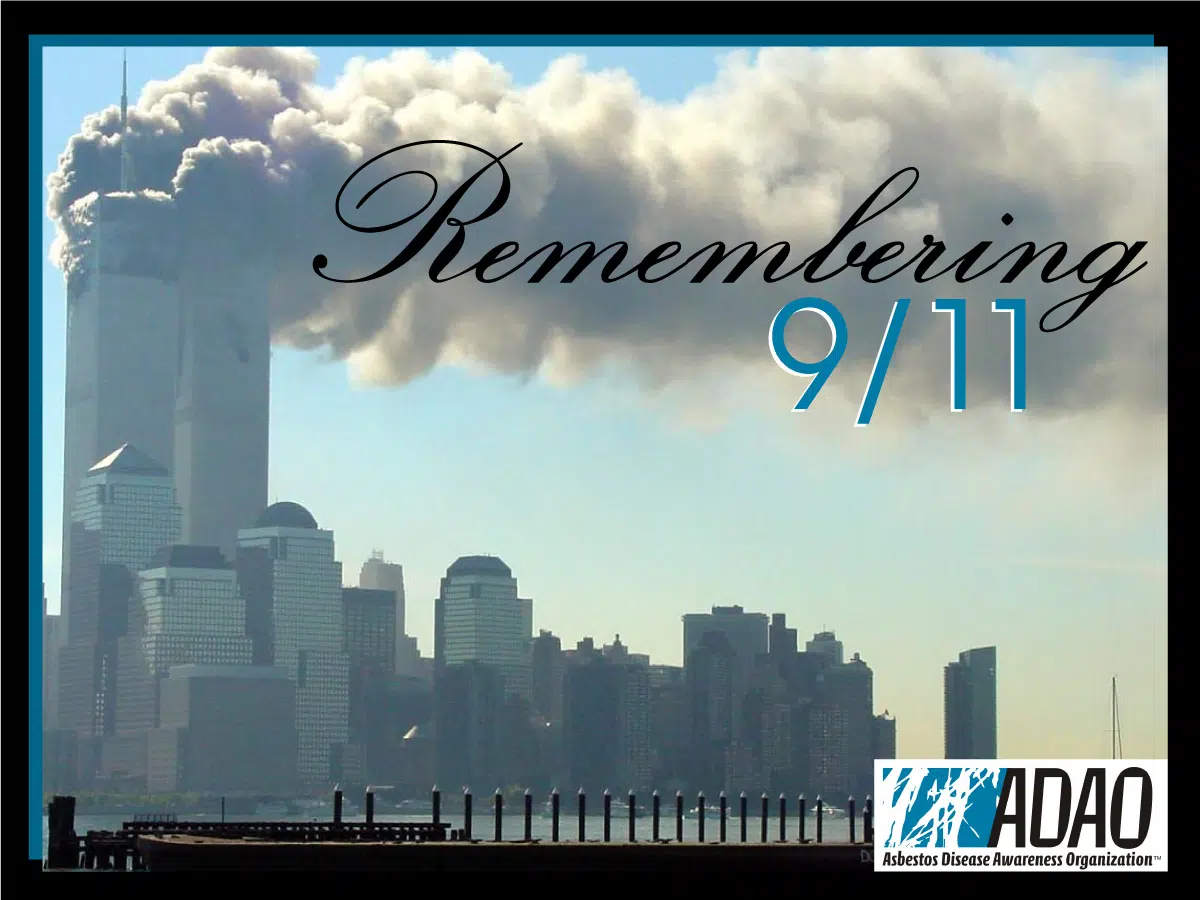
On September 11, 2001, terrorists attacked the World Trade Center and the Pentagon and forced United Airlines Flight 93 to crash near Shanksville, Pennsylvania. Nearly 3,000 people were killed, leaving a permanent scar on our nation. To this day, it remains the deadliest terrorist attack in US history.
Twenty-five years later, the grief remains for those who lost loved ones and for the responders, recovery workers, survivors, and community members who continue to suffer from cancers, respiratory illnesses, and other diseases associated with the toxic exposures of 9/11.
As we remember those who were lost, we must also confront the continuing public health crisis affecting those who dropped everything to help their neighbors, and others who worked, lived, and attended school in the surrounding communities.
“On September 11th, like every person in New York City, watched in shock and horror as our nation was attacked,” said Dr. Jacqueline Moline, Director of the Northwell Health Queens World Trade Center Health Program Clinical Center of Excellence, during a congressional panel.
“Based on our knowledge of the potential health effects related to asbestos and the other 150 toxicants individuals were exposed to on 9/11, we knew there was potential for both immediate and long-term disease. Sadly, there are more deaths among responders from WTC-related diseases than those tragically lost on 9/11/01.”
When the World Trade Center towers collapsed, they released an enormous cloud of pulverized building materials containing asbestos, glass fibers, lead, silica, concrete dust, and many other toxic substances. First responders and volunteers rushed toward danger to save lives, often without adequate respiratory protection or information about the hazardous substances in the air.
Although the health consequences of 9/11 resulted from this complex mixture of contaminants, asbestos remains one of the most concerning because diseases such as mesothelioma and other asbestos-related illnesses may not develop for decades after exposure.
Asbestos had been recognized as a deadly carcinogen long before September 11, yet it remained widely used in buildings and products throughout the United States, including portions of the World Trade Center. The collapse exposed not only first responders and recovery workers, but also residents, students, office workers, and others throughout Lower Manhattan.
Today, the federally administered World Trade Center Health Program provides medical monitoring and treatment for eligible responders and survivors with certified 9/11-related health conditions. Continued funding, medical research, specialized care, and long-term health monitoring remain essential as many illnesses continue to emerge years after the attacks.
The lessons of 9/11 also underscore a broader public health challenge. Despite decades of scientific evidence linking asbestos exposure to fatal diseases, asbestos has still not been fully banned in the United States. More than 40,000 Americans die each year from preventable asbestos-caused diseases, reinforcing the urgent need for stronger prevention, public education, and a comprehensive ban on asbestos.
Protecting Those Who Protected Us
Well over two decades later, we remain deeply concerned about the respiratory illnesses and other diseases that have longer latency periods, including mesothelioma and other cancers, that have emerged among responders since 9/11.
“We are now beginning to see more of the diseases with longer latency periods develop,” Dr. Moline has explained.
As Dr. Raja Flores, a leading thoracic surgeon at Mount Sinai, has said, “These brave men and women risked their lives to take care of us. Now it’s our turn to take care of them.”
That responsibility includes protecting and fully funding the World Trade Center Health Program, supporting medical research and specialized care, and ensuring that responders and survivors receive the monitoring, treatment, compensation, and justice they deserve.
Honoring 9/11 Health Watch and Dr. Michael Crane
At ADAO’s 21st International Asbestos Awareness and Prevention Conference, coming up on September 25–26, 2026, we will honor two extraordinary leaders in the continuing fight for 9/11 responders and survivors.
9/11 Health Watch has been a relentless advocate for the health and well-being of the 9/11 community. Its leadership has helped protect the World Trade Center Health Program and the September 11th Victim Compensation Fund while ensuring that the voices of responders, survivors, and families are heard on Capitol Hill and across the nation.
We will also present the Dr. Irving Selikoff Award to Dr. Michael A. Crane, Medical Director of the World Trade Center Health Program Clinical Center of Excellence at Mount Sinai and Medical Director of the Selikoff Centers for Occupational Health. Dr. Crane’s decades of compassionate care, occupational-health leadership, and commitment to the 9/11 community embody Dr. Selikoff’s enduring legacy.
Their work reminds us that remembrance must be accompanied by sustained advocacy and action.
A Call to Action
To truly honor those who served and sacrificed, we must prevent future toxic exposures.
Congress must pass the bipartisan Alan Reinstein Ban Asbestos Now Act, the most comprehensive asbestos-ban legislation introduced in Congress in more than 30 years. The bill would prohibit all six recognized asbestos fibers, as well as Libby Amphibole, and help protect workers, families, and communities from preventable exposure.
Asbestos remains a threat in homes, schools, workplaces, public buildings, disaster sites, and aging infrastructure throughout our country. It has no safe level of exposure and no place in our future.
As we mark the 25th anniversary of 9/11, we extend our deepest condolences to the families of those lost. We stand in solidarity with the responders, survivors, workers, and community members living with 9/11-related diseases, and with the families who continue to care for them.
The attacks took thousands of lives in a single day. Their toxic legacy continues to claim lives silently, year after year.
Tell your local congress to support ARBAN, sign the petition, and share this powerful information with your loved ones, friends, and colleagues.
Remembrance requires action. The time to act is now.